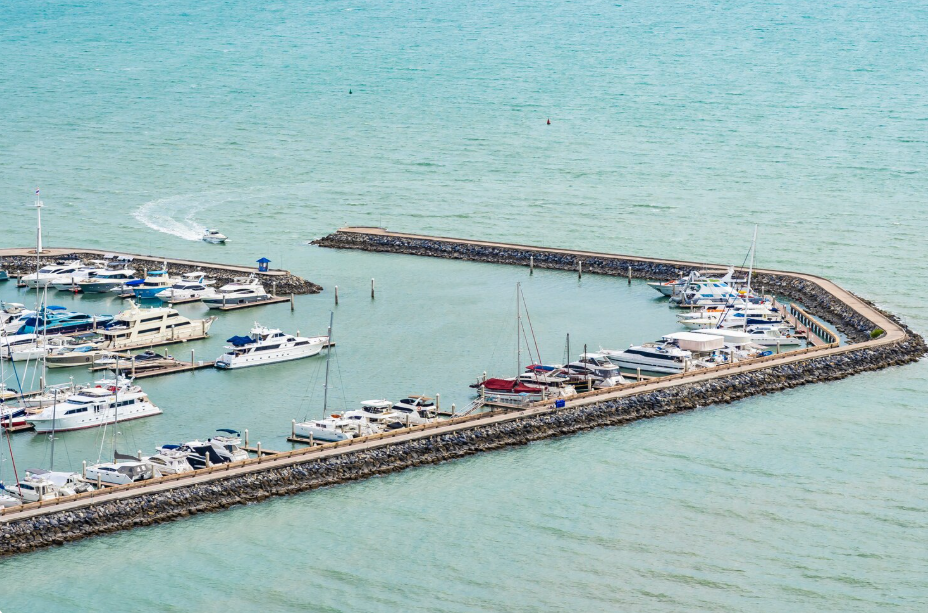
Florida’s extensive waterways and coastline make waterfront living highly desirable, but construction near water is subject to specific regulations. Almost every coastal or marine project, from docks and seawalls to bulkheads and shoreline stabilization, requires permits. These rules protect property, neighboring properties, and fragile marine ecosystems. A marine construction consultant can guide property owners through Florida permits, making the process simpler and helping projects stay compliant even when the regulations seem complex.
What Coastal and Marine Permits Cover
A permit is needed for any construction or modification that affects the shoreline, submerged land, or navigable waters. Common tasks include building new docks, installing bulkheads, installing boat lifts, repairing or replacing seawalls, dredging, and stabilizing the coast. Even minor modifications that change the structure's dimensions, height, or composition could require approval. If homeowners don't have the proper permissions, they risk fines, project delays, or legal problems.
Why Permits Are Important
Florida's coastal and marine environments are quite fragile. During development, permits help prevent harm to seagrass beds, mangroves, wetlands, and marine life. They also prevent erosion, maintain water flow, and reduce conflicts with neighboring residences or public waterways. Additionally, permits guarantee that docks, bulkheads, and seawalls are built in compliance with engineering and safety standards suitable for Florida's hurricane-prone climate, storms, and tidal fluctuations.
Agencies Involved in Coastal and Marine Permitting
Obtaining permits for waterfront projects in Florida often involves coordination with multiple agencies. Local building departments review zoning, setbacks, and structural compliance, while the Florida Department of Environmental Protection (FDEP) handles environmental assessments. Projects affecting navigable waters may also require approval from the U.S. Army Corps of Engineers. Following expert guidance can help avoid delays in Florida waterfront permit approvals by ensuring all paperwork is complete and every agency’s requirements are met efficiently..
Planning and Documentation
Careful planning is necessary to avoid delays. The first things homeowners should accomplish are environmental studies, construction plans, and site surveys. Developing thorough drawings that include site conditions, material specifications, and dock or seawall dimensions reduces the likelihood of change requests and helps authorities comprehend the project. Speaking with maritime construction experts who are familiar with Florida rules and can efficiently oversee the permits process benefits many property owners.
Environmental Considerations
- Projects should avoid disturbing seagrass beds, wetlands, and mangroves whenever possible
- Construction methods and materials should minimize environmental impact
- Erosion control and sediment management measures are often required to protect water quality
By addressing these factors early, homeowners improve their chances of smooth and timely approval.
Common Challenges
Incomplete applications, environmental sensitivity, violation with setbacks, or worries from nearby property owners are common causes of permit delays. More thorough environmental reviews are typically needed for projects in tidal zones, coastal regions, or close to protected habitats. Costly delays can be avoided by foreseeing such problems and implementing solutions during the planning phase.
Key Tips for Easier Permitting
- Engage a marine construction consultant to navigate complex regulations
- Prepare thorough site surveys, drawings, and environmental documentation
- Respond promptly to agency requests for additional information
- Stay within size, setback, and environmental guidelines to reduce revisions
Responsibilities After Permit Approval
Obtaining a permit is just the beginning of regulatory responsibilities for waterfront projects. Inspections may be required, and construction must follow the approved designs exactly. Any changes typically need additional approval, and failure to comply can lead to fines, project delays, or even permit revocation. Following the Florida dock and seawall permitting process for waterfront properties ensures long-term compliance through careful documentation and adherence to all requirements.
Conclusion
Coastal and marine permits in Florida may initially seem overwhelming, but it can be simple with the right planning, expert advice, and process knowledge. Permits safeguard property, keep shorelines stable, and conserve delicate maritime habitats. Homeowners can effectively finish waterfront improvements and fully enjoy Florida's coastal lifestyle without needless problems by properly planning, documenting, and adhering to rules.